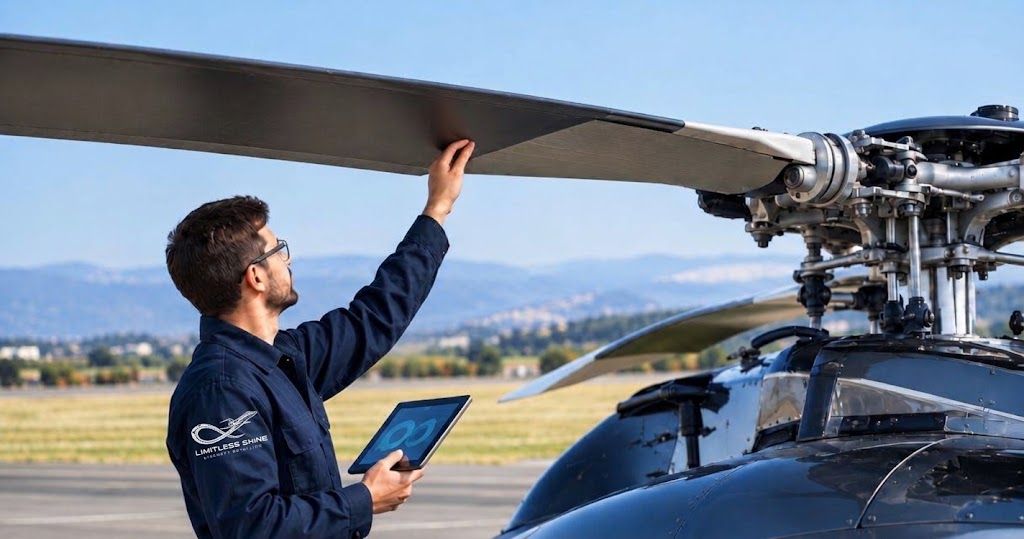
Yes, helicopter rotor blades can be cleaned as part of aircraft detailing, but they should not receive a generic fixed-wing wash, polish, or coating routine. In 2026, the blade manufacturer's applicable instructions must determine the cleaning method; removing contamination is separate from repairing erosion, refinishing a surface, or treating suspected blade damage.
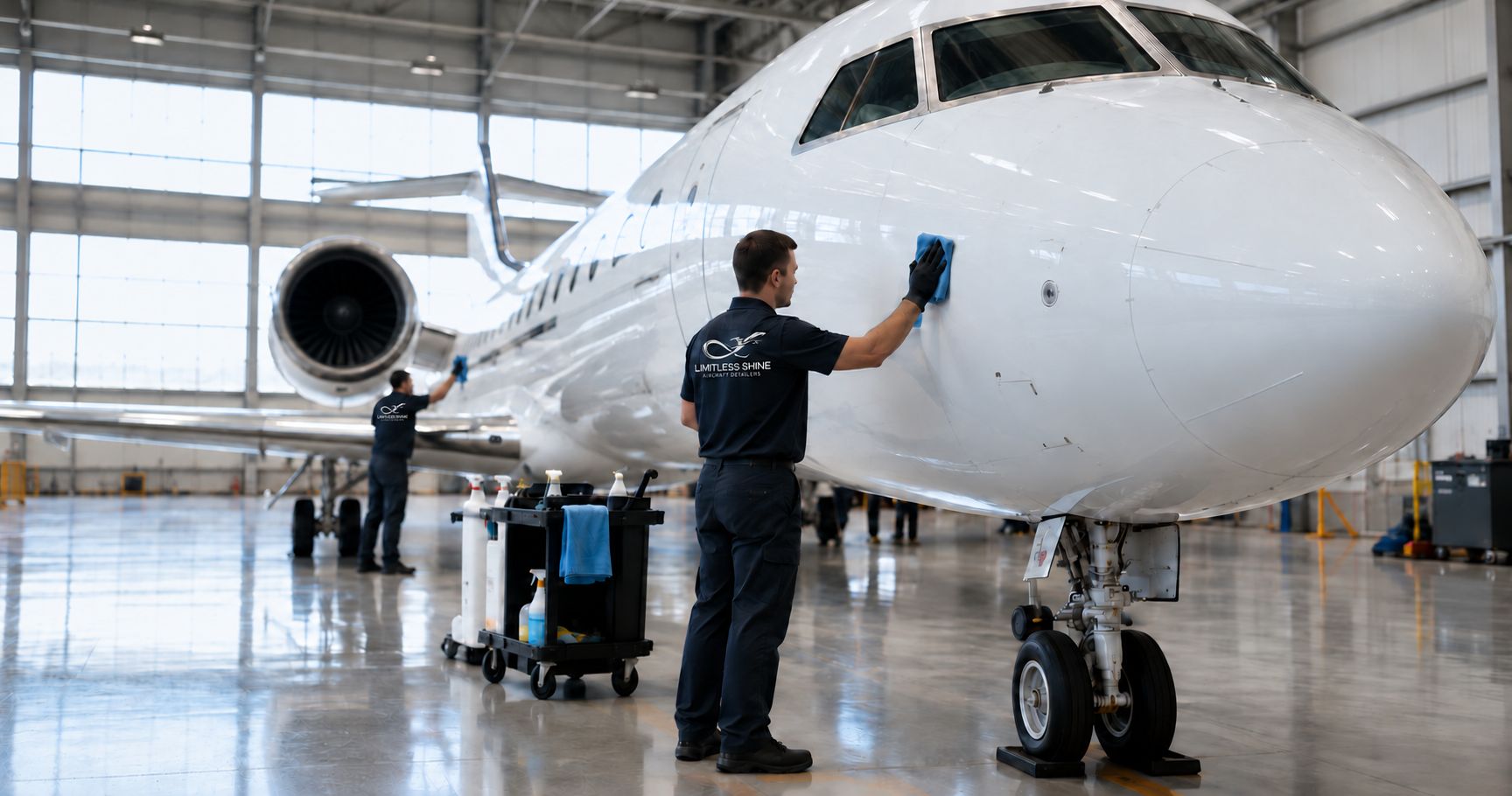
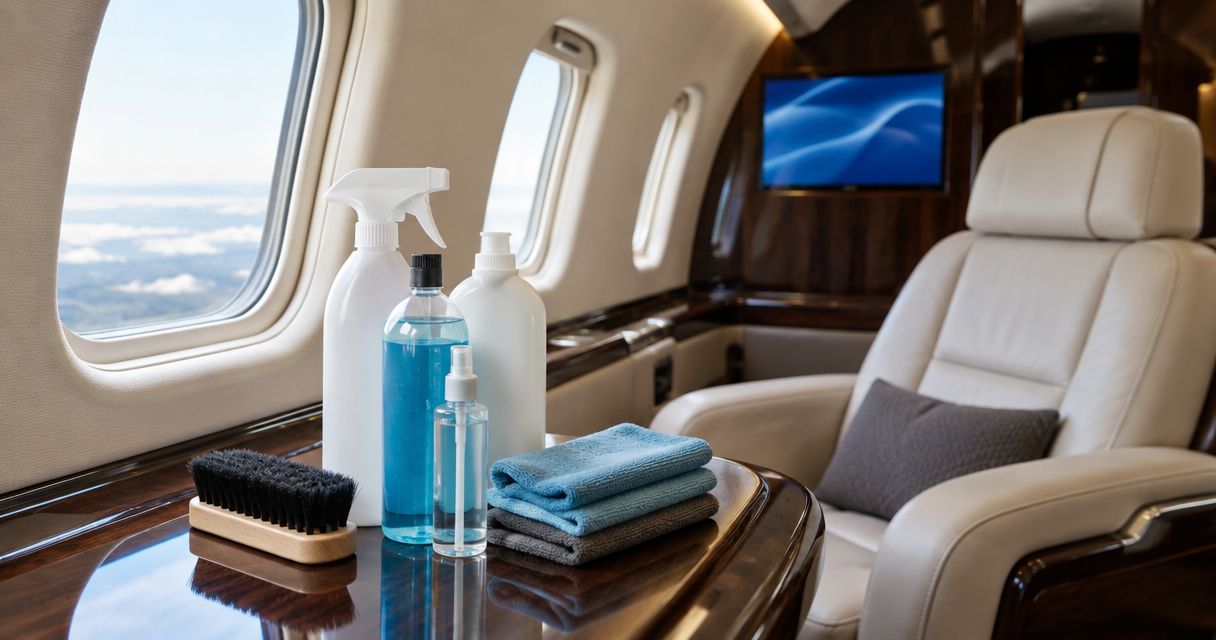
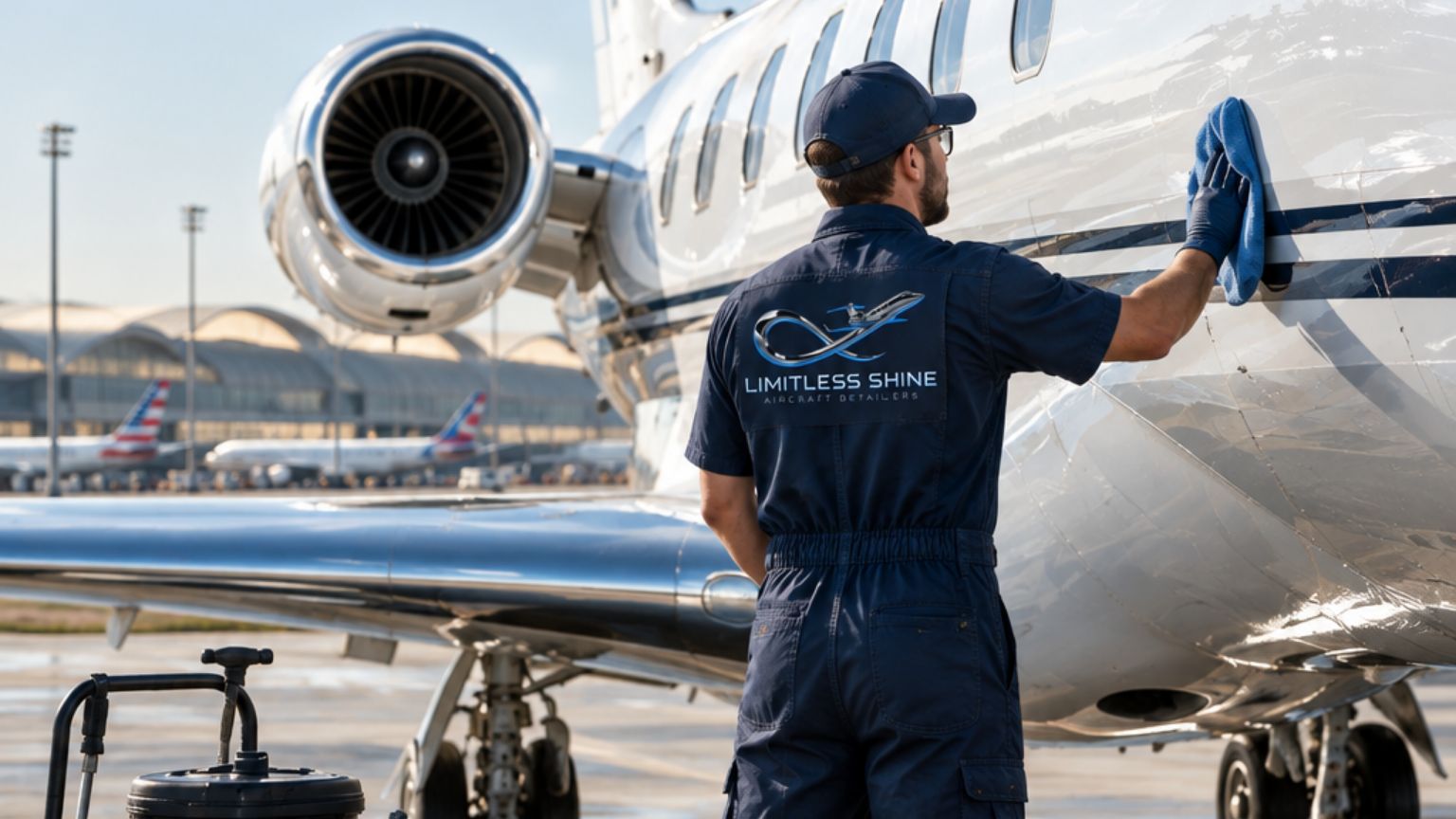
What Limitless Shine does for helicopters: we detail helicopter cabins and fuselages with interior detailing and exterior dry wash. We clean rotor blades only with the owner's maintenance sign-off, following the manufacturer's instructions.
- Can helicopter rotor blades be detailed? Yes, but blade-specific instructions govern cleaning, products, and surface treatments.
- Do not treat rotor-blade polishing, erosion repair, or coating application as ordinary exterior cleaning.
- Limitless Shine details helicopter cabins and fuselages (interior and exterior dry wash) and cleans rotor blades only with the owner's maintenance sign-off.
- Stop cosmetic work when cleaning exposes suspected damage, and refer the finding to aircraft maintenance.
Can helicopter rotor blades be detailed like fixed-wing aircraft?
Helicopter rotor blades can be cleaned, but a fixed-wing detailing process is not automatically suitable for them. Even on fixed-wing aircraft, the correct method depends on the component, its materials, and the manufacturer's instructions—not simply whether the aircraft has wings.
For owners arranging mobile aircraft detailing with Limitless Shine Aircraft Detailers, define the requested work before scheduling it. The published service scope includes interior detailing, exterior dry wash, and carpet extraction around Orange County, Los Angeles, Riverside, San Bernardino, and San Diego airports; rotor-blade cleaning is available only with the owner's maintenance sign-off.
The useful comparison is between cleaning a surface and changing it:
| Work category | Best for | Benefit | Limitation |
|---|---|---|---|
| Blade-specific cleaning | Removing contamination using the applicable instructions | Addresses surface dirt without intentionally refinishing the blade | Does not repair erosion, cracks, or damaged coatings |
| General aircraft exterior cleaning | Cleaning aircraft areas covered by the agreed service procedure | Organizes routine exterior care | Does not establish that the same procedure suits rotor blades |
| Maintenance assessment | Evaluating suspected damage or uncertain blade condition | Separates an appearance issue from a condition requiring technical attention | Is not a detailing service or a cosmetic finish treatment |
These are 3 scope categories, not interchangeable levels of cleaning. A cleaner-looking blade is not proof that a blade is serviceable.
Why this matters
A rotor blade is a working aerodynamic component, not simply an exterior panel. Its surface condition, protective features, and construction matter when deciding what can touch it and what work belongs outside a detailing appointment.
The decision in 2026 is therefore not whether a detailer can make the blade look better. It is whether the proposed work matches the applicable blade instructions and stays within the agreed cleaning scope.
Keep 2 separate decisions in your work request: what contamination needs removal, and whether the underlying surface needs maintenance attention. Combining those decisions into a request to make everything look new encourages the wrong conversation.
Routine blade cleaning: remove contamination, not material
Routine cleaning should target contamination without intentionally removing the blade's finish or altering its surface. Start by identifying the blade and the instructions that apply to it, rather than selecting a familiar aircraft cleaner first.
A product described as suitable for aircraft does not establish suitability for every blade material, finish, protective strip, or installed feature. Check the specific application, including any instructions for dilution, application, removal, and drying.
The cleaning product and the cleaning method need to be considered together. A suitable product used with an unsuitable pad, excessive rubbing, or an inappropriate application method is not an acceptable substitute for following the procedure.
Use this distinction when describing the job:
- Contamination: Identify the substance or visible residue you want removed.
- Surface condition: Describe discoloration, roughness, lifting edges, or other visible concerns without diagnosing them.
- Requested result: Ask for permitted cleaning, not an unrestricted restoration of gloss.
- Exclusions: Keep repair, refinishing, and unapproved surface treatments outside the cleaning request.
This wording gives the provider a defined task. It also leaves a clear stopping point if the apparent dirt turns out to be something else.
Polishing and coatings: separate them from cleaning
Do not include rotor-blade polishing, waxing, or coating application by default. Each is a separate proposed treatment that needs support in the applicable manufacturer's instructions.
Polishing can involve abrasion, while a wax or coating adds material to a surface. Neither should be presented as a routine extension of removing dirt from a rotor blade.
The same discipline applies to stain removal. If a mark remains after the permitted cleaning method, the next step is not automatically a stronger chemical, a more aggressive pad, or more pressure.
Ask the maintenance contact to determine whether the remaining mark needs evaluation. A stain that cannot be removed within the cleaning instructions is a reason to stop escalating the cosmetic process.
For a 2026 detailing request, explicitly state whether polishing and coatings are excluded. Do not rely on a general phrase such as full exterior detail to communicate that boundary.
Suspected damage: stop the cosmetic work
Cleaning can make an existing surface concern easier to see. Suspected cracking, erosion, peeling, lifting protective material, or an unexplained surface change belongs with the aircraft's maintenance contact rather than a detailing judgment.
Do not ask the cleaner to smooth the area, disguise the mark, or blend it into the surrounding finish. Those requests move beyond contamination removal and can interfere with evaluating the original condition.
A useful handoff records what is visible and where it is located. A photograph and a plain description help communicate the concern, but they do not replace the applicable inspection procedure.
Detailing does not establish airworthiness. A completed cleaning appointment is not an inspection result, a repair approval, or permission to return an aircraft to operation.
Why rotor-blade cleaning requirements vary
The correct procedure depends on the actual blade and its condition. Aircraft type alone does not provide enough detail to select a cleaning method.
- Blade identification: Use the applicable blade information rather than assuming every blade installed on similar helicopters has identical requirements.
- Materials and finishes: The procedure needs to suit the surface being cleaned, including any protective finish or installed feature.
- Contamination: Describe the residue before choosing a removal method; do not treat every visible mark as ordinary dirt.
- Existing condition: Suspected damage changes the task from cosmetic cleaning to a maintenance discussion.
- Access and work control: Coordinate safe access, aircraft status, and the permitted working area with the operator and maintenance contact.
- Proposed treatment: Cleaning, polishing, coating, and refinishing are different requests and need separate consideration.
No universal cleaner, dilution, or rubbing technique follows from these factors. The point of identifying them is to locate the correct procedure—not to improvise one.
How should you arrange rotor-blade cleaning?
Use these 5 handoff steps to separate the service request from the technical decisions. This is a coordination checklist, not a substitute for aircraft maintenance instructions.
- Identify the blade. Give your maintenance contact the aircraft and blade information needed to establish the applicable instructions.
- Define the scope. State whether you want contamination removed, a mark evaluated, or another treatment considered. Keep those requests distinct.
- Confirm the method. Establish the permitted products, application method, access arrangements, and exclusions before work starts.
- Set stop points. Agree that suspected damage, uncertain compatibility, or an unexplained surface change stops the cleaning process for review.
- Record the handoff. Document the areas cleaned and any unresolved concerns, then send maintenance questions to the responsible contact.
For your 2026 work order, name the person who resolves blade-condition questions. That prevents a detailing provider from being asked to make a decision that belongs to aircraft maintenance.
If a provider cannot explain how the proposed procedure relates to the applicable instructions, do not authorize rotor-blade work on the strength of general aircraft-detailing experience alone. Experience with cabins or fuselage cleaning does not answer a blade-specific compatibility question.
Can I use the same cleaner on rotor blades and the fuselage?
The same cleaner is suitable only when the applicable instructions permit its use on both surfaces. A shared aircraft application or a familiar product label does not establish that permission.
Ask about the complete process, not just the bottle. The application tool, contact conditions, removal method, and any restrictions also need to match the relevant instructions.
Can detailing remove rotor-blade erosion?
Detailing does not repair rotor-blade erosion. Cleaning removes contamination; evaluating and correcting erosion is a separate maintenance matter.
Do not request abrasive polishing to make an eroded area look uniform. Refer the condition to maintenance and keep cosmetic work away from the area until its treatment is determined.
Should rotor blades be included in an exterior dry wash?
Rotor blades should be included only when their cleaning is explicitly agreed and supported by the applicable instructions. Exterior dry wash is a service description, not blanket permission to clean every external aircraft component in the same way.
Your work order should identify included areas and exclusions. If rotor blades are excluded, say so directly rather than leaving the provider to interpret the scope.
Choosing an aircraft detailing provider near SNA, FUL, LBG, LAX, VNY, BUR, CNO, CRQ, etc.
Limitless Shine Aircraft Detailers is best for helicopter and fixed-wing owners who want mobile interior detailing, exterior dry wash, and carpet extraction. Rotor-blade cleaning is done only with your maintenance sign-off.
Split the appointment into two parts. Arrange the cabin or agreed exterior cleaning you need, while leaving blade-specific questions with the appropriate maintenance contact until the cleaning scope is established.
For a 2026 service request, provide the location, aircraft information, requested areas, and known exclusions. Describe any blade concern separately from the general detailing request so it cannot disappear inside a broad exterior-cleaning instruction.
Get your helicopter detailed at your SoCal airport
Mobile interior detailing and exterior dry wash for helicopter cabins and fuselages across Orange County, Los Angeles, Riverside, San Bernardino, and San Diego. Rotor blades with your maintenance sign-off.
FAQ
Can helicopter rotor blades be detailed safely?
Helicopter rotor blades can be cleaned using the applicable manufacturer's instructions. Keep repair, refinishing, and any unsupported surface treatment outside the detailing scope.
Can I polish helicopter rotor blades to make them shine?
Do not polish helicopter rotor blades unless the applicable instructions permit the proposed treatment. Polishing is separate from cleaning and can involve removing surface material.
Can I put an aircraft coating on helicopter rotor blades?
Do not apply a coating to helicopter rotor blades without support in the applicable instructions. Suitability for another aircraft surface does not establish suitability for the blade.
What should I do if cleaning reveals a crack or peeling surface?
Stop cosmetic work on the affected area and refer the concern to aircraft maintenance. Record the location and visible condition without trying to smooth or conceal it.
Does an exterior dry wash automatically include helicopter rotor blades?
An exterior dry wash does not automatically establish a suitable rotor-blade cleaning scope. Confirm blade inclusion, the applicable procedure, and any exclusions before authorizing work.
Does Limitless Shine Aircraft Detailers clean rotor blades?
Yes, only with the owner's maintenance sign-off and following the manufacturer's instructions. Cabin and fuselage detailing does not need that sign-off.
One last thing
Ask for a defined cleaning result, not a showroom finish. A request to remove permitted contamination gives the provider a boundary; a request to make a blade look new does not.
Before approving the job, ask what happens if a mark remains. The useful answer is a stopping and referral process—not an automatic promise to keep polishing until it disappears.